Love the Outdoors: Family Adventures Around Australia
Australian family outdoor adventure journal for camping with kids, the Big Lap, Kimberley and Gibb River Road travel, and Red Centre trips.
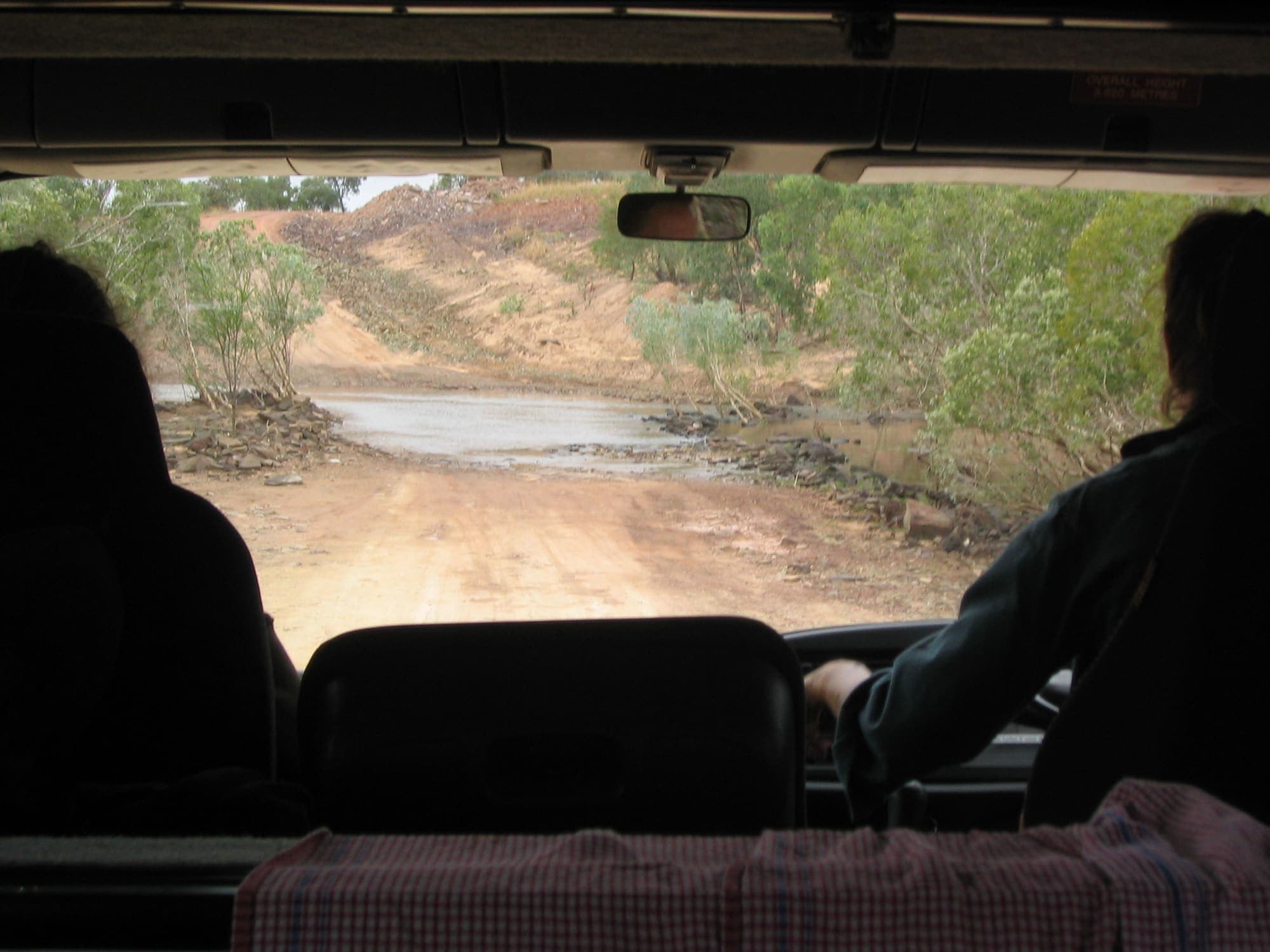
Gibb River Road, The Kimberley by Phil Whitehouse, CC BY 2.0. Source on Wikimedia Commons. Self-hosted locally. See the full image credits.
At a glance
- This is a fresh editorial journal, not a reprint of the old first-person blog.
- Hubs cover the Big Lap, Kimberley, Red Centre, Top End, family camping and kids outdoors.
- Road and park conditions come from agencies — never from invented fees or distances.
- Guest posts on family travel are welcome; paid links are marked sponsored.
Love the Outdoors is a rebuilt Australian journal for families who want to camp, detour and travel slowly. The archived site was a personal Squarespace blog. This version does not speak in that voice and does not republish those stories. It writes new guides on the same places and themes: family camping Australia, the Big Lap of Australia, the Gibb River Road, the Red Centre and the Top End.
The point of a family outdoor journal is not a leaderboard. It is to help you decide whether a night under canvas near home is enough this month, or whether you are ready to think about a longer loop. Both are valid. A weekend that teaches kids how to peg a fly is as much “loving the outdoors” as a dry-season Kimberley crossing.
Planning a Big Lap of Australia
A Big Lap is the colloquial circuit that follows Australia’s around-the-edge highways, with inland cut-throughs when people have time or curiosity. It is not a race and it is not one official itinerary. How long the Big Lap takes depends on school terms, work breaks, vehicle comfort and how often you stop for swimming holes rather than kilometres.
How long does the Big Lap take?
Families who keep moving can cover the sealed loop in a few months. Families who want national parks, rest days and weather buffers usually talk in longer seasons or a full year. The planning guide explains the trade-offs without inventing a single “correct” duration or a package price. Cost is a household budget question — fuel, food, campgrounds, maintenance — and it changes with style. Check current park booking systems rather than any figure you remember from a forum.
Clockwise or anticlockwise?
Clockwise versus anticlockwise is one of the core decisions. Direction changes when you hit the wet in the north, when you want a particular coast in a particular season, and when you need to be near a city for parts or visitors. Neither direction is morally better.
Choosing a vehicle and setup
A family sedan can do a sealed Big Lap. A high-clearance four-wheel drive matters once you add tracks such as the Gibb River Road or Palm Valley. The journal will not name a “best car” as a ranking. It will ask whether your setup matches the roads you actually intend to drive, and whether you have a plan for repairs far from a dealer.
Gibb River Road with kids
The Gibb is a remote Kimberley road built for cattle work, now travelled by visitors who want gorges and station country. How many days you need depends on side trips, not on a slogan. How difficult the Gibb River Road is changes with rain, corrugations, your tyres and your recovery skill. Main Roads Western Australia publishes road information; Explore Parks WA covers parks and campgrounds. Use those pages on the morning you leave Broome or Kununurra.
Gorges and stations along the way
Station stays and gorge walks are part of the Kimberley pattern. This journal describes the landscape and the planning questions. It does not invent opening dates, permit fees or operator prices. Confirm those with the park or station directly.
Family camping basics
Family camping in Australia is a wide church: a booked NSW national park site, a council campground, a backyard trial night, a remote swag run. The basics stay stubbornly practical.
Choosing a family tent
Choosing a family tent is about rain, wind, kids who wake at dawn, and whether you can lift the bag out of a hatchback. Marketing names change every season. The questions do not.
Free camping vs paid campgrounds
Free camping Australia is legal only where the manager says so. Paid campgrounds buy water, toilets and a booked pad. “Ghost camping” — occupying a site without following the local rules — is a poor family lesson and can be an offence. Read the free-camping guide for the distinction.
Camping gear checklist
The camping gear checklist is a thinking list, not a shopping race. You do not need every gadget from a hardware aisle to take kids outside.
Red Centre and Top End
The centre and the north reward slow travel. The Red Centre road trip guide covers ranges, waterholes and desert towns. The Kakadu and Litchfield itinerary pairs two very different parks. Parks Australia and NT Parks are the live sources for closures, cultural site rules and park passes.
Kakadu and Litchfield
Kakadu is a jointly managed national park with wetlands, escarpment and site-specific access. Litchfield is a shorter, waterfall-heavy park closer to Darwin. Together they make a classic Top End family pair if you check seasonal access.
Palm Valley and the West MacDonnells
Palm Valley and the West MacDonnells sit west of Alice Springs. Some gorges are sealed-road easy; Palm Valley is a sandy four-wheel-drive proposition when conditions allow.
Lake Eyre and William Creek
Lake Eyre and William Creek are for families who understand remote fuel, heat and the fact that the lake is often a salt pan. Conditions belong to the park and road agencies, not to a remembered blog post.
51 outdoor things to do before you're 12
The archive once listed fifty-one things to do before twelve. This journal keeps the spirit and writes a new outdoor list for kids — bush skills, fishing through the generations, and wildlife moments such as the Christmas Island red crab migration. It is an invitation, not a contest.
If you want the next click, open the adventure journal, the Big Lap hub, or the family camping hub. Then verify the road on the day you travel.
Start with a hub
Planning a Big Lap of Australia
How long the loop takes, clockwise or anticlockwise, and the vehicle decisions that shape a family year on the road.
Gibb River Road with kids
Gorges, stations and dry-season timing — plus where to check current Kimberley road conditions before you leave.
Red Centre road trip
West MacDonnells, Palm Valley, and the desert roads that run toward William Creek and Lake Eyre.
Kakadu and Litchfield
A family-paced Top End pair: waterfalls, wetlands and park notes from Parks Australia and NT Parks.
Family camping basics
Tents, free camping versus booked campgrounds, and a gear list that does not pretend one setup fits every kid.
51 outdoor things before 12
Bush skills, fishing through the generations, and wildlife moments that belong on a family list — not a scorecard.
Latest journal guides
Fishing through the generations
How families hand on fishing in Australia — licensing, water safety and patience — without gear-brand reviews or invented rules.
51 outdoor things to do before you're 12
An invitation list of outdoor things for kids in Australia — bush skills, camping, fishing and wildlife manners — not a race or a ranked contest.
Christmas Island red crab migration
A family guide to Christmas Island’s red crab migration — first wet-season rains, Parks Australia road closures, and wildlife manners without invented dates.
Lake Eyre and William Creek
Remote family travel toward William Creek and Kati Thanda–Lake Eyre — a lake that is often dry, with fuel and heat humility and no invented flood years.
Questions families ask
- How do I plan the Big Lap in Australia?
- Start with how long you can travel, whether you will stay on sealed highways, and which season you can accept in the north, then read the Big Lap hub and the planning guide before you lock a direction.
- Can I free camp in Australia?
- Sometimes, on land where the landholder or land manager allows it — but free camping is not a nationwide right, and national park campgrounds usually need a booking or permit.
- What is the best family tent in Australia?
- There is no single best family tent. Choose for sleeping count, weather, how you travel, and whether you need a full standing room or a compact hike tent.
Pitch a family travel note
This journal welcomes considered guest posts on family camping and Australian road travel. Editorial citations stay followed; paid placements are marked sponsored.
Contact the desk about a guest post · Browse the adventure journal