Our adventure journal
Fresh editorial guides on family camping, the Big Lap, Kimberley travel, the Red Centre and Top End — written for the rebuilt lovetheoutdoors.com.au journal.
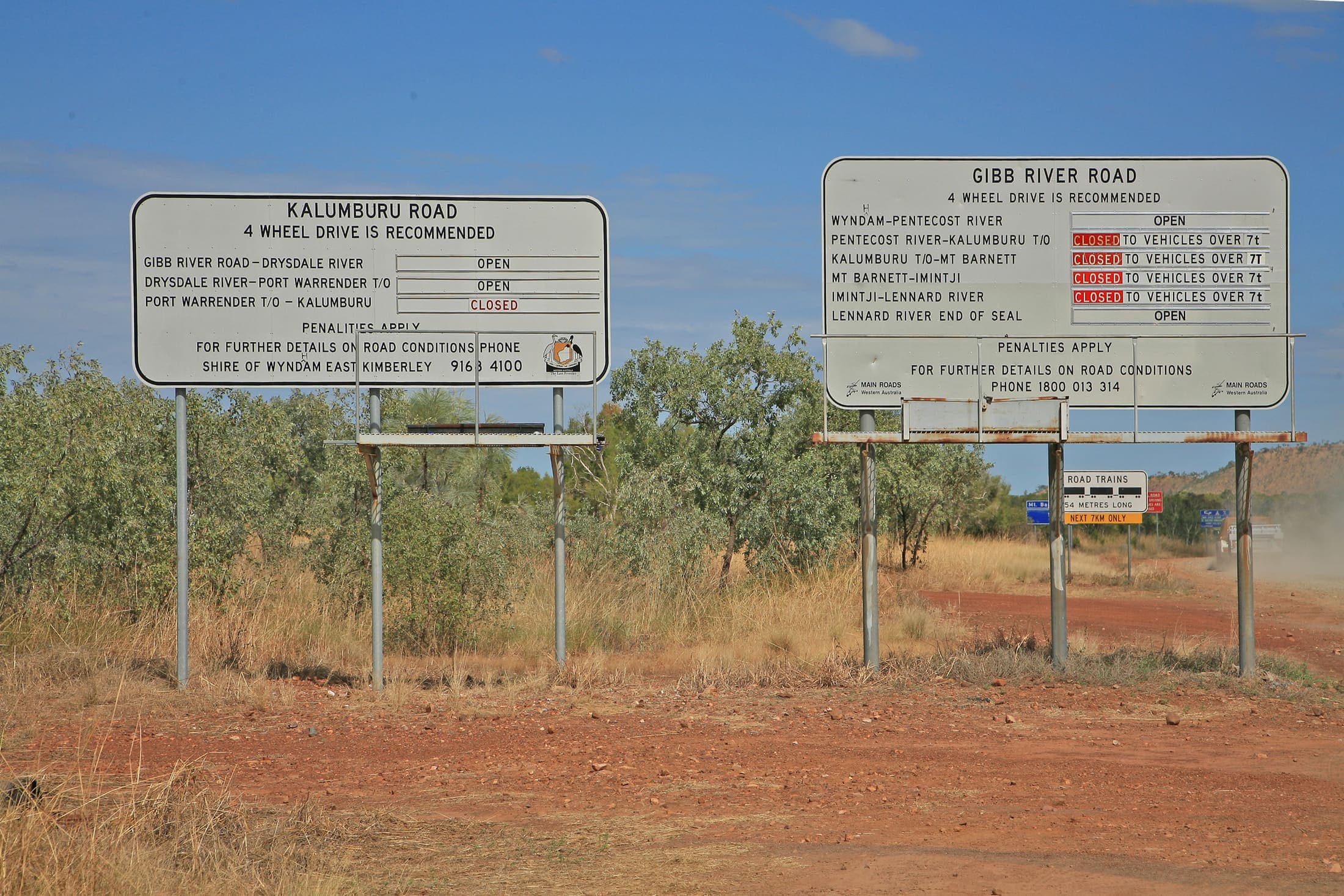
Gibb River Road, Western Australia by W. Bulach, CC BY-SA 4.0. Source on Wikimedia Commons. Self-hosted locally. See the full image credits.
At a glance
- Guides are original. Archive first-person posts are not copied.
- Each guide links back to a hub and to related notes so nothing is orphaned.
- Pagination uses crawlable /adventure-blog/page/2/ links.
- Tags are real category pages, not JavaScript filters.
This journal is the reading room of Love the Outdoors. The old Squarespace “adventureblog-blog” collected trip notes from a family on the road. Those URLs now 301 to these hubs and guides. The words here are new. They are written so a family in 2026 can plan without treating a 2016 diary as a current conditions report.
What you will find
Long guides sit under this index. Hubs at Big Lap, Kimberley, Red Centre, Top End, family camping and kids outdoors introduce the themes in shorter form and then send you into the 1,500-word pieces.
The journal is built for two kinds of reader. The first is planning a Big Lap of Australia and needs help with direction, vehicle honesty and seasonal sense. The second is not leaving the state this year but still wants family camping basics, a tent that actually fits the kids, or a gear checklist that does not read like an advertising catalogue.
How the archive maps across
Heritage posts about the Gibb, Mornington, El Questro, Munja Track and Kalumburu now land on the Kimberley hub and the Gibb River Road with kids guide. Kakadu and Litchfield notes land on the Kakadu and Litchfield itinerary. Palm Valley, the Red Centre, William Creek and Lake Eyre have their own guides. Christmas Island red crabs and the “51 things before you’re 12” list are rewritten as kids-outdoors pieces. Fishing-through-the-generations is a new essay, not a reprint.
That mapping is a courtesy to old links and to search engines. It is not a licence to impersonate the original writer. If you came here from a Wayback snapshot, treat this as a different publication that happens to care about the same dirt roads.
How to read a guide
Every guide should do four things. It should answer the first question in the first screenful. It should refuse to invent a price, a permit fee, a distance or an event date. It should point to Main Roads WA, Parks Australia, NT Parks or Explore Parks WA when the live answer lives there. And it should offer three to six related links so you can keep walking the site without a search box.
If a paragraph starts to sound like a ranking — “best tent”, “best car”, “best station” — stop and look for the criteria instead. Rankings go stale. Criteria travel.
Family travel and guest notes
Family travel and camping guest posts are welcome when they add a place or a method this desk has not covered. Sponsored placements must say so; the Keystatic guest-post template sets rel="sponsored" on outbound links automatically. Editorial citations to government and park pages stay followed.
Use the contact form to pitch. Read about the journal if you want the rebuild rules in one place. Then pick a hub and a guide. The outdoors is large. The job of an index is to make the next useful page obvious.
How pagination and tags work
The journal index is a real list, not a load-more button. If there are more guides than one screen should hold, page two lives at a crawlable address and the footer sitemap lists it. Tags such as camping, family, kids, fishing, Kimberley and Big Lap are also real pages. They exist so a crawler — and a parent on a slow connection — can move without JavaScript.
Related links at the end of each guide are chosen from shared hubs and tags. If a piece about tents points at free camping, that is because the next decision is usually ground, not because a keyword tool said so.
What we will not write
We will not write “ten places you cannot miss” as a ranking. We will not publish a lap-of-Australia cost as if households were identical. We will not turn Bunnings, a named supplier, or an online store into an affiliate maze. If you need a peg, you already know where hardware lives.
We will not treat the archive’s outdoor-family guest diaries as current advice. Those URLs redirect to hubs. The people in them are not characters in this rebuild.
A reading order if you are new
Start with family camping basics if you have not slept outside with your kids. Start with planning a Big Lap if you have a leave window and a map on the fridge. Start with the Gibb guide only if a Kimberley chapter is already a decision, not a daydream. Place guides — Kakadu, Red Centre, Christmas Island — come after method, because method is what keeps place from becoming a panic.
Then use contact if a park rule has moved and a sentence here has not. The desk would rather correct a source than defend a stale paragraph.
Browse by theme
Fishing through the generations
How families hand on fishing in Australia — licensing, water safety and patience — without gear-brand reviews or invented rules.
51 outdoor things to do before you're 12
An invitation list of outdoor things for kids in Australia — bush skills, camping, fishing and wildlife manners — not a race or a ranked contest.
Christmas Island red crab migration
A family guide to Christmas Island’s red crab migration — first wet-season rains, Parks Australia road closures, and wildlife manners without invented dates.
Lake Eyre and William Creek
Remote family travel toward William Creek and Kati Thanda–Lake Eyre — a lake that is often dry, with fuel and heat humility and no invented flood years.
Palm Valley and the West MacDonnells
How families tell sandy Palm Valley from sealed West MacDonnell gorges — NT Parks access, high-clearance honesty, and no invented track ratings.
Red Centre road trip
A family Red Centre road trip through Alice Springs, the West MacDonnells and Uluru-Kata Tjuta — heat, water, sealed roads and the tracks that are not sealed.
Questions families ask
- Is this the old Emma blog?
- No. The archive was a personal journal. This site is a new editorial desk writing about the same landscapes and family-travel themes.
- Can I pitch a guest post?
- Yes — family camping and Australian road-travel pitches are a fit. Use the contact form and say if the piece is sponsored.
Pitch a family travel note
This journal welcomes considered guest posts on family camping and Australian road travel. Editorial citations stay followed; paid placements are marked sponsored.
Contact the desk about a guest post · Browse the adventure journal